Will County sees real severe weather, especially spring through summer. Here's a practical guide to downed trees, roof and fence damage, water-damaged belongings, and sizing a dumpster for storm cleanup.
9 min readUpdated 2026-03-10By Forge Dumpster Rental
Storm Season in Will County: What to Expect
Will County sits well within the broader Chicago-area severe weather corridor, and anyone who has lived
in Joliet, Plainfield, New Lenox, or the surrounding towns for a few seasons already knows the rhythm.
Severe thunderstorm activity in Northern Illinois typically builds through late spring, with the heaviest
stretch of the season running roughly April through August. Straight-line winds and strong thunderstorm
gusts are, by a wide margin, the most common cause of storm property damage in the area in any given year.
Tornadoes are a real, documented risk across Northern Illinois — the region sits on the eastern edge of the
broader Midwest tornado corridor — but they're a smaller share of storm events than damaging wind, hail, and
heavy rain. Winter brings a different risk: ice storms and heavy wet snow can snap weakened limbs and bring
down tree sections that handled the growing season fine but couldn't carry the added weight.
None of this means a storm is imminent this week — it means the risk is real and worth planning around.
This guide is a practical reference for Will County homeowners on what typically gets damaged, how to
prioritize cleanup safely, and where a roll-off dumpster fits into getting a property back in order.
What Counts as Storm Debris After a Northern Illinois Storm
Storm debris usually isn't one uniform pile — it's several streams generated by the same weather event,
and each one behaves differently once you're loading a container:
Downed trees and limbs — snapped branches, split trunks, storm-torn brush, and litter
blown in from neighboring lots as well as your own trees.
Roof damage — torn, lifted, or missing shingles, damaged flashing, and occasionally
exposed decking after high wind or hail.
Fence and outbuilding damage — fence sections knocked flat, gates torn off hinges, sheds
with damaged siding or roofing, and detached carport panels.
Water-damaged belongings — soaked drywall, insulation, carpet, and stored items after
wind-driven rain gets in through a damaged roof, broken window, or flooded window well.
General yard debris — downed gutters, damaged patio furniture, cracked pavers, and
scattered wind-blown wreckage.
Figuring out which of these you're dealing with — and roughly how much of each — determines both the
dumpster size you need and whether debris can be mixed or should be kept separate.
Downed Trees & Limbs: Handling Storm-Damaged Yard Debris
Tree debris is the most common storm cleanup material in Will County, and also the easiest to
underestimate. A limb pile that looks moderate on the lawn can fill a 15-yard dumpster fast, because
branches don't compact and leave a lot of open air space between them.
Cut to length before loading. Limbs and trunk sections load faster and safer when cut
to a length two people can lift and place, rather than dragging a long branch across the yard whole.
Root balls and stumps are heavy. A storm-uprooted root ball carries a lot of soil and
weight — mix stump pieces with lighter brush rather than filling a container with root material alone, or
the load can hit its weight allowance before it looks full.
Keep clean yard debris separate when you can. Vegetative debris is often handled
differently on the disposal end than mixed construction and demolition debris, which keeps a cleanup
compliant and cost-predictable. Our yard waste dumpster service is
built for exactly this kind of tree and brush cleanup.
Treat standing hazards as a separate job. A limb tangled in a power line, a leaning tree
still under tension, or a trunk resting against the house needs a tree service or utility crew first.
Roof, Siding & Fence Damage: When Cleanup Becomes Light Demolition
When a storm does more than knock down limbs — lifting shingles, tearing siding, or flattening a fence
line — cleanup shifts from a yard project to something closer to light demolition. That debris is denser
than tree limbs and fills a container faster than its size on the ground suggests.
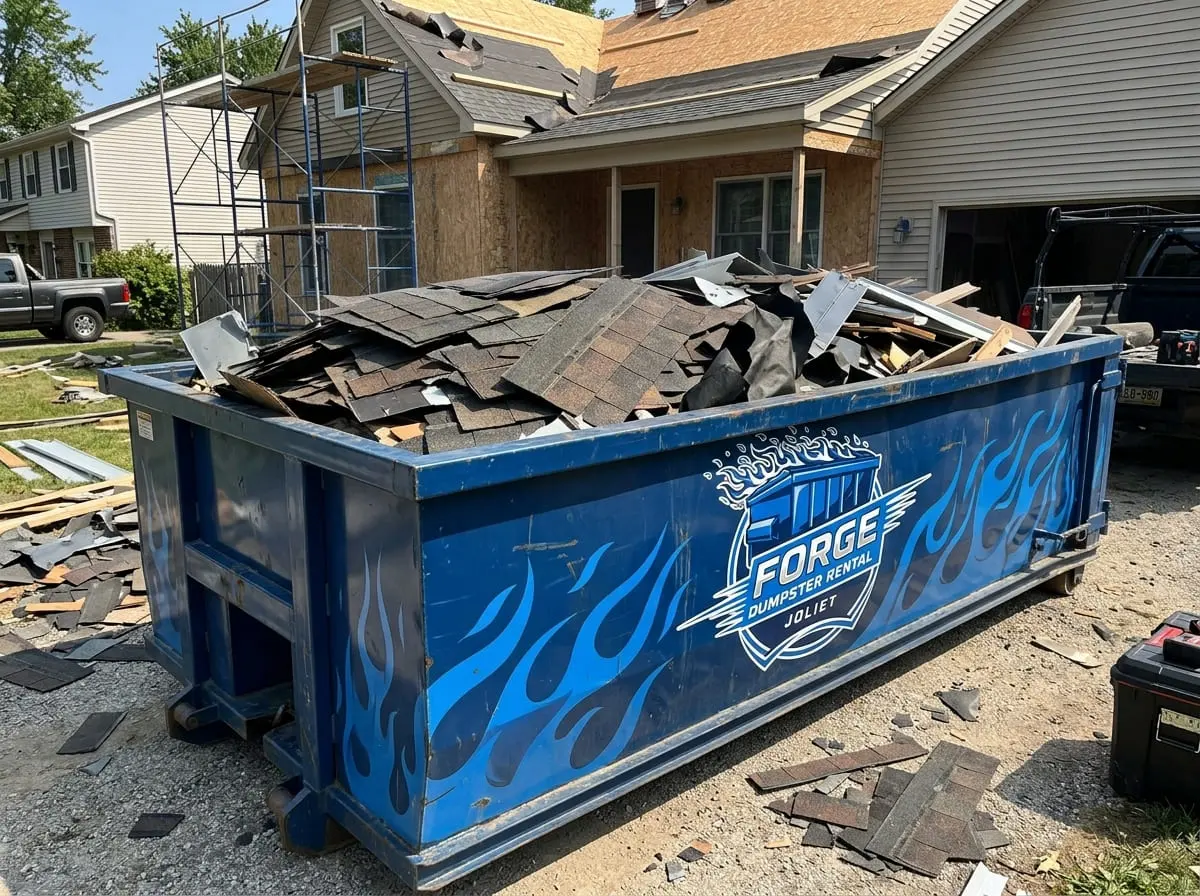
Roofing debris in particular is heavy: even a partial tear-off weighs more than most homeowners expect,
which is why roofing crews size dumpsters by roofing squares rather than by eye. If storm damage means a
partial or full re-roof, our roofing dumpster page and companion
roofing tear-off sizing guide walk through
matching container size to roof size. Torn-out siding, a knocked-down fence, a damaged shed, or a collapsed
carport falls under general demolition debris — and cracked
concrete or masonry mixed in is concrete and heavy debris,
which usually needs its own lower-volume container because of weight.
Water-Damaged Belongings: Acting Fast to Avoid Mold
If wind-driven rain got into the house through a damaged roof, broken window, or flooded window well, the
clock starts running the moment water touches drywall, insulation, carpet, or stored belongings. Mold can
begin developing within roughly 24 to 48 hours in wet drywall and carpet padding, which is why fast removal
of soaked material matters more than almost anything else in a storm cleanup involving interior water.
Soaked carpet, waterlogged furniture, ruined insulation, and wet drywall already showing damage should come
out and go straight into a dumpster rather than sit in a driveway pile while you decide. If the intrusion is
significant — standing water, saturated subflooring, an actual basement flood — that's a job for a water
damage restoration company before demolition debris removal, since drying the structure comes first.
Renting a Dumpster for Storm Cleanup: Sizing & Debris Separation
Storm cleanup projects rarely fit a single standard size the way a kitchen remodel or a garage cleanout
does, because the debris mix varies so much from property to property. As a general starting point for a
typical Will County storm cleanup:
Storm Damage Scope
Typical Dumpster Size
Notes
A few downed limbs, light brush
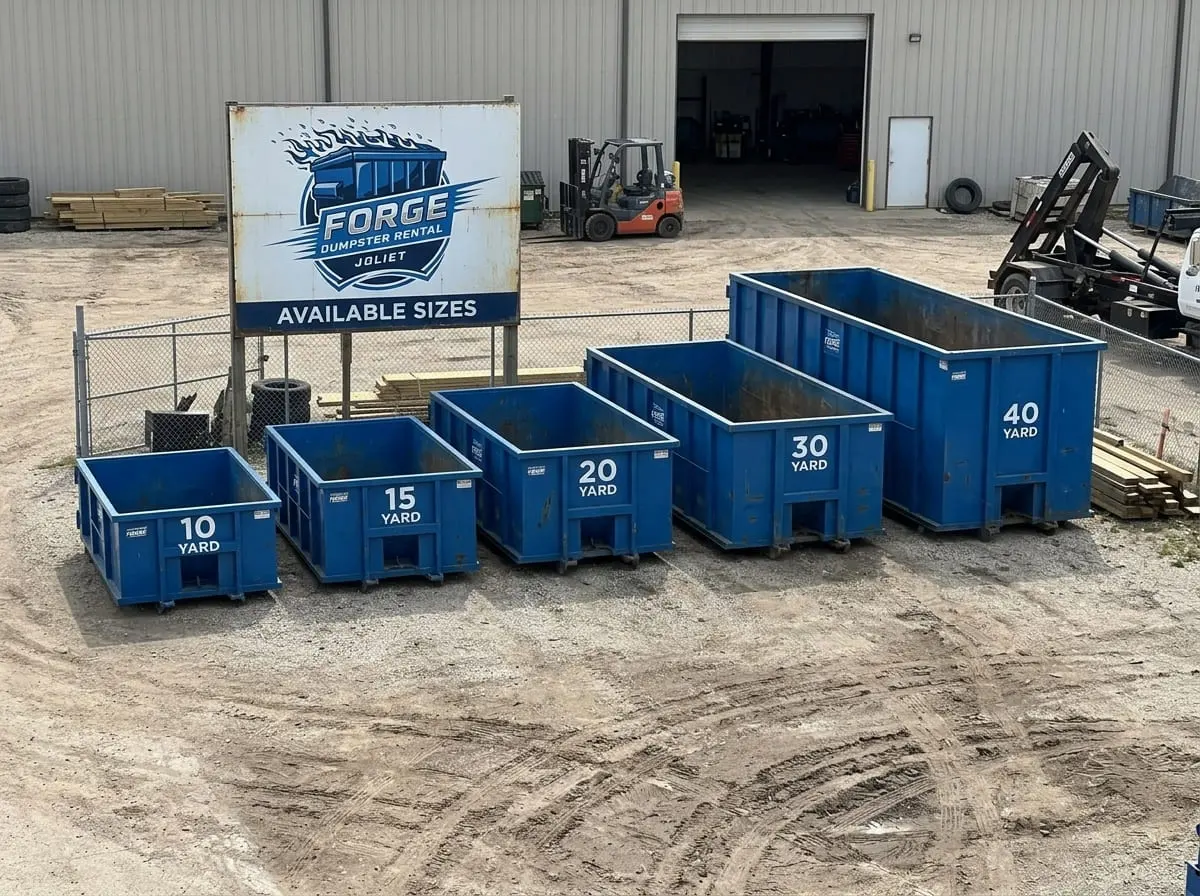
10–15 yard
Fine for mostly light vegetative debris
One or more trees down, larger yard cleanup
15–20 yard
Branches load bulky — size up if unsure
Roof damage plus yard debris combined
20 yard
Keep roofing and yard debris in separate loads if possible
Fence, shed, or outbuilding damage plus yard debris
20–30 yard
Bulkier structural material takes more volume
Whole-property cleanup, multiple debris types
30–40 yard
Often best handled with more than one container or a swap-out
Because weight, not just volume, limits a load, dense debris like root balls, wet soil, shingles, or
concrete rubble shouldn't be piled at high volume into the same load as light bulky brush. Separating yard
waste from mixed structural debris — even into two smaller containers instead of one large one — often keeps
a storm cleanup compliant and cost-predictable. Our dumpster size guide
breaks down each size in more detail, or just call and describe what's on the ground for a straight answer.
Safety First: How to Prioritize a Storm Cleanup
Not every part of a storm-damaged property is safe to touch right away, and rushing the wrong section
first is how storm cleanup injuries happen. A practical priority order:
Hazards that can hurt someone — downed power lines, a tree resting against the
structure, a leaning tree still under tension, or a gas smell near a damaged line — get handled by a
professional first. Don't touch debris in those areas until the hazard is confirmed cleared.
Access and safety paths next — driveways, walkways, and anything blocking an exit or
emergency vehicle access.
Interior water damage after that — wet drywall, carpet, and insulation on a clock before
mold sets in, once it's safe to be inside.
General yard and structural debris last — it needs to come out but isn't actively
dangerous sitting for another day.
Same-Day Delivery: Getting a Dumpster Fast After a Storm
Timing matters more in storm cleanup than in almost any other kind of dumpster rental. Debris left in
yards and along fence lines for days can block access for tree crews or roofers and create a mowing and
tripping hazard. That's exactly the situation our same-day dumpster
rental service in Joliet is built around — getting a container on-site quickly so cleanup can start
while the damage is still fresh instead of waiting through a multi-day scheduling window. If a storm has
just come through Will County and you need a container today, call as soon as it's safe to assess the
property — we'll size it over the phone and get a truck routed out.
Placement, Permits & Insurance Documentation
In an active storm cleanup, placement is often decided by circumstance — a downed limb might block part
of the driveway, or debris might be scattered right where a container would normally sit. A dumpster placed
entirely on a private driveway generally doesn't require a permit; if the only clear space is the curb or
street, a permit usually is required — our
Joliet dumpster permit and street
placement guide covers when that applies. If debris is blocking the usual delivery spot, a quick call
ahead flags an alternate placement and saves a wasted trip.
If the damage is significant enough to file an insurance claim, slow down for one step before debris
starts moving: document everything first. Photograph downed trees still in place, damaged roof sections,
fencing before it's cleared, and any interior water damage, ideally with a wide shot of the overall scene.
Most adjusters ask for this, and it's far easier to do before cleanup starts than to reconstruct afterward.
There's usually no need to wait for an adjuster's visit before clearing hazardous or access-blocking debris,
but check with your insurer on larger structural claims if you're unsure.
A Practical Storm Cleanup Checklist for Will County
Check for hazards first — downed lines, leaning trees, gas smells — and call the right professional
before touching debris in those areas.
Photograph the damage for insurance before cleanup starts, if you're filing a claim.
Sort debris mentally: tree and yard debris, roofing, structural, and water-damaged interior material.
Estimate volume generously — storm debris almost always fills more space than it looks on the ground.
Choose a dumpster size from the table above, sizing up if your project mixes debris types.
Confirm placement — driveway avoids permit delays; street placement needs a permit first.
Book same-day or next-day delivery if debris is blocking access or creating a hazard.
Keep wet interior material and hazardous items separate from general yard and structural debris.
Every storm cleanup looks a little different by the time you're standing in the yard afterward. The
fastest way to get the right size on your driveway is to just describe what's down — a call to the Forge
team gets you a straight answer on sizing and the soonest delivery slot available. Reach out through our
contact page or call directly, and see our FAQ page for
more on how rentals work day to day.
Forge Dumpster Rental
Written by the team that runs the trucks out of our yard on 1602 E Cass St in Joliet. We haul
roll-offs across Will County, Grundy County and the wider Joliet area every week. Questions about your own job?
Call (815) 860-4753.
Talk to a real person
Ready to book a container in Joliet?
Call and describe the job. Flat price, stated tonnage, and a delivery time on the same call.
How much storm debris does a typical Will County property generate?
It varies with the size of the trees involved and how much structural damage occurred, but even one mature tree down with moderate limb damage often fills a 15 to 20-yard dumpster once it's actually loaded, since branches take up far more space than they appear to on the ground. Combined roofing, fencing, and yard debris from one storm event can easily push a project into 20 to 30-yard territory. If you're not sure, describe what's on the ground when you call and we'll help size it correctly the first time.
Can I put a downed tree, roofing debris, and fence damage in the same dumpster?
Often yes, as general mixed debris, but weight is the real limit rather than volume. Dense material like shingles, wet root balls, or fence hardware adds up in weight much faster than light bulky brush, so mixing large amounts of both in one load can hit the weight allowance before the container looks full. For larger storm cleanups, splitting debris into a couple of loads by type is often more cost-effective than one oversized mixed load.
Do I need a permit to place a dumpster on my property after a storm in Joliet?
If the container sits entirely on your driveway or other private property, generally no permit is needed. If storm debris is blocking your driveway and the only available space is the street or curb, a right-of-way permit is typically required. See our dumpster permit and street placement guide for the specifics, or just ask when you book and we'll point you in the right direction.
How fast can I get a dumpster delivered after a storm hits Will County?
Same-day or next-day delivery is generally available depending on timing and route, which is exactly the situation our same-day dumpster rental service is built for. In an active storm cleanup, getting debris off the ground quickly matters for safety and access, so call as early as it's safe to assess the damage.
Is Will County actually at real risk for tornadoes and severe storms?
Yes. Will County and the wider Chicago area sit within a documented severe weather region, with the heaviest stretch of thunderstorm season generally running spring through summer and a real, ongoing tornado risk as part of the broader Midwest corridor. Straight-line wind damage from strong thunderstorms is actually the more frequent cause of local property damage year to year, and winter ice storms add a separate risk of falling limbs. It's a real, recurring seasonal pattern worth planning around, not a one-time event.
Clearing a loved one's home in Joliet is never just a hauling job — it's decisions about a lifetime of belongings, made while grieving. Here's a practical, room-by-room checklist built around a realistic timeline, and where a dumpster fits into the process.
Roofing debris is heavy, not just bulky — so the right dumpster for a Joliet tear-off comes down to weight first, volume second. Here's how squares, layers, and shingle type set the size.
A straight answer on same-day dumpster delivery in Joliet: the call-before-noon cutoff, live jobsite swap-outs, what to have ready when you call, and when same-day genuinely isn't realistic.